

Introduction
If you’ve ever searched for older broadband providers or heard someone mention Vivid Wireless, you might be wondering what it actually was—and whether it still exists today. The name still pops up in forums, tech discussions, and even SEO queries, which raises a natural question: What happened to Vivid Wireless, and is it still relevant?
This guide takes a practical, no-fluff approach. We’ll break down what Vivid Wireless offered, how it worked, why it disappeared, and what modern alternatives have replaced it. Whether you’re researching telecom history, comparing wireless internet providers, or simply curious, you’ll get a clear and complete picture here.
What Was Vivid Wireless?
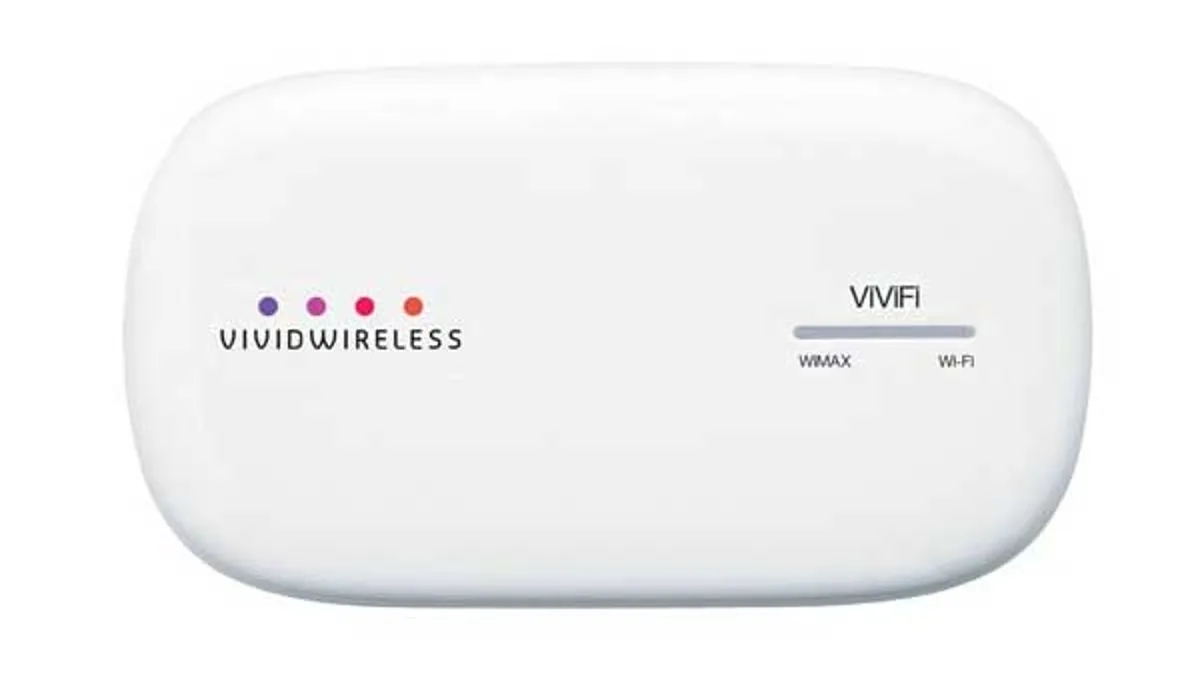
Vivid Wireless was an Australian internet service provider that specialized in wireless broadband services. It launched during a time when mobile internet was still evolving, and high-speed wireless access wasn’t as widely available as it is today.
Instead of relying on traditional ADSL or cable infrastructure, used WiMAX technology—a wireless communication standard designed to deliver broadband speeds over long distances.
Key Highlights:
- Focused on wireless broadband internet
- Operated primarily in urban areas
- Used WiMAX instead of DSL or fiber
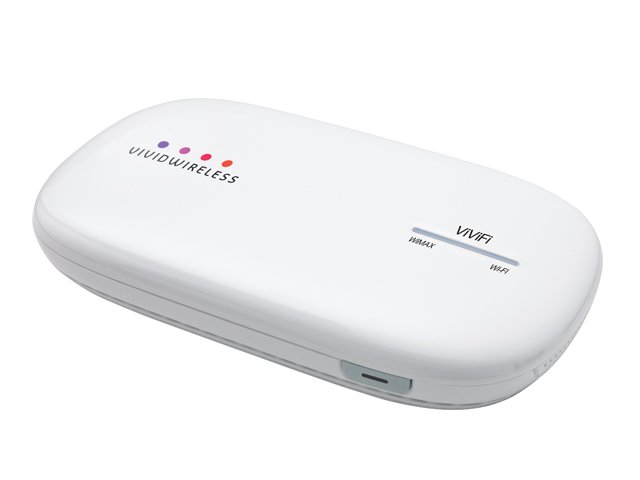
- Offered plug-and-play internet devices
At the time, this was considered innovative. It allowed users to access the internet without fixed-line installations.
How Did Vivid Wireless Work?
To understand the rise of Vivid Wireless, you need to look at how its technology functioned.
Wireless Broadband via WiMAX
WiMAX (Worldwide Interoperability for Microwave Access) was the backbone. It worked by transmitting internet signals from towers directly to customer devices.
Typical Setup Included:
- A USB modem or home gateway
- Connection to nearby wireless towers
- No need for landline infrastructure
This setup made it appealing for:
- Renters
- Students
- People in areas with limited wired internet
Vivid Wireless Plans and Pricing
Back when it was active, Vivid Wireless offered a range of flexible internet plans.
Common Features:
- Monthly data allowances
- Contract and no-contract options
- Portable internet solutions
- Competitive pricing (for its time)
Sample Plan Structure (Historical):
| Plan Type | Data Limit | Speed | Ideal For |
|---|---|---|---|
| Basic | 5–10 GB | Moderate | Casual browsing |
| Standard | 20–40 GB | Faster | Streaming & work |
| Unlimited | Unlimited | Variable | Heavy users |
While these plans were attractive then, they would be considered limited by today’s standards.
Coverage Areas of Vivid Wireless
Vivid Wireless primarily operated in Australia, with strong coverage in major cities like:
- Perth
- Melbourne
- Adelaide
- Sydney (limited areas)
However, coverage wasn’t universal. Performance depended heavily on:
- Distance from towers
- Signal strength
- Network congestion
Why Was Vivid Wireless Popular?
For a period gained significant traction. Here’s why:
1. No Installation Hassle
Users could get online quickly without waiting for technicians.
2. Portability
You could carry your internet connection with you—something that felt revolutionary at the time.
3. Alternative to Slow ADSL
In areas with poor wired infrastructure, Vivid Wireless was often faster.
The Decline of Vivid Wireless
Despite its early success eventually faded from the market.
What Happened?
The company was acquired by Optus, one of Australia’s largest telecommunications providers. After the acquisition, its services were gradually integrated and then discontinued.
Key Reasons for Decline:
1. Rise of 4G and 5G Networks
Mobile networks improved rapidly, offering:
- Faster speeds
- Better reliability
- Wider coverage
2. Limitations of WiMAX
WiMAX couldn’t compete with newer technologies like LTE.
3. Market Competition
Big telecom providers began offering better packages with:
- Higher data limits
- Bundled services
- Stronger infrastructure
Is Vivid Wireless Still Active Today?
Let’s answer the modern version of the question clearly:
Vivid Wireless is no longer active as a standalone service.
Its operations have been absorbed into broader telecom services, primarily through Optus. Today, you won’t find new Vivid Wireless plans or active subscriptions.
However, the keyword “Vivid Wireless” still trends because:
- Former users search for support
- People research legacy ISPs
- SEO content continues to target the term
Vivid Wireless vs Modern Internet Providers
To understand how much things have changed, let’s compare.
Then vs Now
| Feature | Vivid Wireless | Modern Providers |
|---|---|---|
| Technology | WiMAX | 4G / 5G / Fiber |
| Speed | Moderate | High to ultra-fast |
| Coverage | محدود (city-based) | Nationwide/global |
| Data Plans | Limited | Large/unlimited |
| Reliability | Variable | Highly stable |
The difference is significant. What was once cutting-edge is now outdated.
Best Alternatives to Vivid Wireless Today
If you’re searching for something similar to Vivid Wireless, you have far better options now.
Top Alternatives:
- Mobile broadband (4G/5G routers)
- Fiber optic internet
- Fixed wireless broadband
- Satellite internet (for remote areas)
Providers like Optus and others now offer:
- Faster speeds
- Better latency
- Flexible plans
Who Should Consider Modern Wireless Broadband?
If Vivid Wireless were still around, it would appeal to certain users. Today, those same users can benefit from newer services.
Ideal Users:
- Remote workers
- Students
- Travelers
- People without fiber access
Modern wireless broadband delivers everything Vivid Wireless aimed to provide—only better.
Key Takeaways
- Vivid Wireless was an early wireless broadband provider in Australia
- It used WiMAX technology for internet delivery
- It gained popularity for its portability and ease of use
- The company was acquired by Optus and discontinued
- Modern internet solutions have far surpassed its capabilities
Conclusion
Vivid Wireless represents an interesting chapter in the evolution of internet connectivity. At a time when traditional broadband had clear limitations, it offered a flexible and forward-thinking alternative. However, technology moves fast. What once felt innovative quickly became outdated as 4G, 5G, and fiber networks took over.
If you’re exploring the term “Vivid Wireless” today, you’re essentially looking at a piece of telecom history. Still, its legacy lives on in the wireless solutions we now take for granted.
