






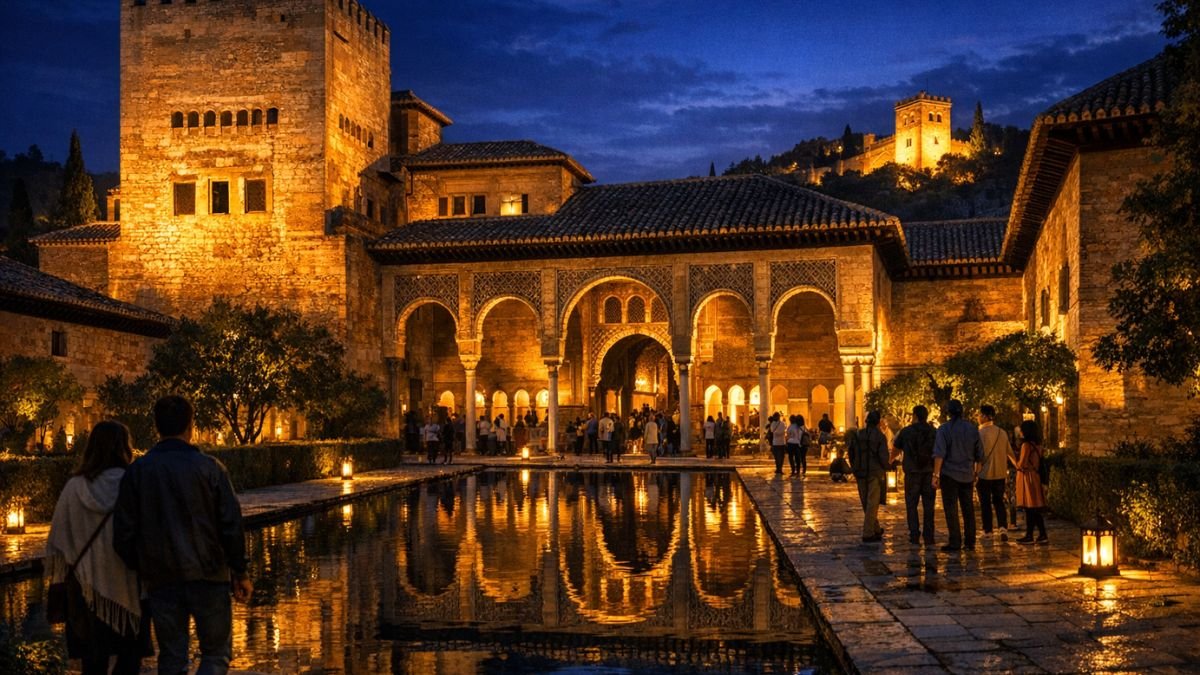
There are few places in the world where history feels as alive as it does inside the Alhambra. By day, it’s a magnet for travelers—busy pathways, guided tours, and cameras capturing every angle. But at night, something shifts. The crowds fade, the lighting softens the intricate details, and the experience becomes almost cinematic.
What many visitors don’t realize, however, is that this transformation isn’t just about aesthetics. It’s also about strategy. Behind the scenes, Alhambra Palace night to attendance revenue plays a critical role in how the site manages both tourism flow and financial sustainability.
In simple terms, night attendance is not just an alternative—it’s a carefully structured revenue model. And once you understand how it works, you begin to see the Alhambra not just as a historical landmark, but as a masterclass in modern tourism economics.
What Does “Alhambra Palace Night to Attendance Revenue” Actually Mean?
Before we go deeper, let’s unpack the phrase.
Alhambra Palace night to attendance revenue refers to how the number of visitors attending night tours contributes to the total income generated by the site. It’s not just about how many people enter—it’s about how much each visit is worth.
This includes:
- Ticket pricing differences between day and night
- Premium guided experiences
- Controlled visitor capacity
- Seasonal demand variations
Unlike daytime visits, which focus on volume, nighttime visits focus on value. And that distinction is where things get interesting.
Why Night Visits Exist in the First Place
At first glance, offering night tours might seem like a simple way to extend visiting hours. But at a site like the Alhambra, nothing is that simple.
Night visits serve multiple purposes:
- They reduce pressure on daytime crowds
- They create a premium experience tier
- They extend revenue opportunities without overloading the site
In other words, Alhambra Palace night to attendance revenue is not an afterthought—it’s a deliberate design.
1. Limited Attendance Creates Higher Value
One of the most important principles behind Alhambra Palace night to attendance revenue is scarcity.
Night tickets are intentionally limited. Fewer people are allowed inside during these hours compared to daytime visits.
Why This Matters
When availability is restricted:
- Demand increases
- Perceived exclusivity rises
- Visitors are more willing to pay premium prices
It’s basic economics, but applied with precision.
Real-World Effect


Instead of maximizing headcount, the Alhambra maximizes value per visitor. That’s why even with fewer attendees, night tours can generate significant revenue.
2. Premium Pricing Drives Revenue Efficiency
Here’s where the numbers start to make sense.
Night tickets are typically priced higher than standard daytime entries. Add guided tours or special access experiences, and the price increases further.
Revenue Structure
- Standard daytime ticket → Moderate price
- Night entry ticket → Higher price
- Guided night experience → Premium tier
This layered pricing model ensures that Alhambra Palace night to attendance revenue remains strong even with controlled attendance.
The Key Insight
Revenue isn’t just about volume—it’s about yield. And night tours are optimized for exactly that.
3. A Different Type of Visitor
Not all tourists are the same, and night tours tend to attract a specific audience.
Who Chooses Night Visits?
- Couples looking for a romantic setting
- High-end travelers seeking unique experiences
- Cultural enthusiasts who prefer quieter exploration
These visitors are typically less price-sensitive. They’re not just buying a ticket—they’re buying an experience.
This shift in audience profile directly strengthens Alhambra Palace night to attendance revenue, because the spending behavior is different.
4. Seasonal Demand Plays a Huge Role
Tourism in Granada changes dramatically throughout the year, and night attendance follows a similar pattern.
Seasonal Dynamics
- Summer: Night tours become extremely popular due to cooler temperatures
- Spring/Fall: Balanced demand with steady bookings
- Winter: Lower attendance but still consistent interest
During peak summer months, daytime heat can be intense. Naturally, visitors prefer evening experiences, which boosts both attendance and revenue.
This seasonal flexibility allows Alhambra Palace night to attendance revenue to adapt and remain stable year-round.
5. The Experience Justifies the Price
Let’s be honest—people don’t pay more unless they feel it’s worth it.
And at night, the Alhambra delivers.
What Changes After Dark
- Carefully designed lighting highlights architectural details
- The atmosphere becomes quieter and more immersive
- The pace slows down, allowing deeper appreciation
This isn’t just a visit—it’s a different version of the same place.
That transformation is what allows operators to maintain premium pricing, which directly feeds into Alhambra Palace night to attendance revenue.
Quick Comparison: Day vs Night Revenue Model
| Factor | Daytime Visits | Nighttime Visits |
|---|---|---|
| Attendance Volume | High | Limited |
| Ticket Pricing | Standard | Premium |
| Revenue Per Visitor | Moderate | High |
| Experience Style | Busy, fast-paced | Calm, immersive |
| Target Audience | General tourists | Experience-focused visitors |
| Seasonal Demand | Consistent | Peaks in summer |
The Bigger Strategy Behind It All
When you step back, Alhambra Palace night to attendance revenue is part of a larger strategy.
It’s about balancing three things:
- Visitor satisfaction
- Cultural preservation
- Financial sustainability
Too many visitors can damage the site. Too few can reduce revenue. Night tours help strike that balance.
How This Model Reduces Overcrowding
Overtourism is a real issue for historical landmarks.
By offering night visits:
- Daytime pressure is reduced
- Visitor flow is spread out
- The overall experience improves
This isn’t just good for tourists—it’s essential for preservation.
And again, it ties back to Alhambra Palace night to attendance revenue, because better distribution leads to better long-term earnings.
Lessons Other Tourist Sites Can Learn
The Alhambra isn’t the only landmark offering night tours, but it’s one of the best examples of doing it right.
Key Takeaways
- Limit supply to increase value
- Differentiate the experience, not just the timing
- Target specific audience segments
- Adjust pricing based on demand
These principles can be applied to museums, heritage sites, and even modern attractions.
Is Night Attendance More Profitable Than Daytime?
This is a common question.
The answer isn’t straightforward.
Daytime
- Higher total visitor numbers
- Lower revenue per person
Nighttime
- Lower visitor numbers
- Higher revenue per person
So while total daily revenue may still lean on daytime traffic, Alhambra Palace night to attendance revenue significantly boosts overall profitability.
The Human Side of the Experience
Numbers aside, there’s something personal about visiting the Alhambra at night.
It feels slower. More intentional.
You’re not just moving through rooms—you’re absorbing them.
That emotional connection is part of what people are paying for. And it’s a big reason why night tours continue to succeed.
Final Thoughts
The concept of Alhambra Palace night to attendance revenue goes far beyond simple ticket sales. It’s a carefully designed system that blends economics, psychology, and cultural preservation into one cohesive strategy.
By limiting attendance, increasing perceived value, and offering a distinctly different experience, the Alhambra has created a model that many tourist destinations try—but few truly master.
If you ever plan to visit, consider choosing a night tour. Not just for the atmosphere, but to experience firsthand how one of the world’s most iconic landmarks turns a quiet evening into both a memorable journey and a powerful revenue stream.
Businesses looking to boost online presence and website rankings trust JDS Ranker for powerful, result-driven SEO strategies.