





Fashion week is one of the most exciting times in the global style calendar. Twice a year, designers, models, celebrities, buyers, and media gather in major cities to showcase new collections. From luxury runways to street style moments, fashion week shapes what the world will wear next season.
But fashion week is more than just glamorous shows and front-row stars. It is a powerful business platform, a cultural celebration, and a creative stage where new talent is discovered. Whether you are a fashion student, blogger, entrepreneur, or simply love style, understanding fashion week helps you see how trends are born and spread.
In this complete guide, you’ll learn the history of fashion week, how it works, the top cities involved, emerging trends, and how you can attend or follow the action like a pro.
What Is Fashion Week?
Fashion week is a series of events where designers present their latest collections for the upcoming season. These events happen twice a year:
- Spring/Summer collections (shown in September–October)
- Fall/Winter collections (shown in February–March)
During fashion week, brands host runway shows, presentations, pop-up events, and private viewings. Industry professionals attend to:
- Buy pieces for retail stores
- Report on trends for magazines and websites
- Network with influencers and designers
- Spot future trends
Fashion week sets the tone for global fashion. What appears on the runway often influences store collections within months.
The History of Fashion Week

Fashion week began in the early 20th century. The first official event took place in 1943 in New York. It was created to highlight American designers during World War II, when travel to Paris was limited.
Over time, fashion week evolved into a global system. Today, four major cities dominate the calendar:
- New York
- London
- Milan
- Paris
These cities are often called the “Big Four” of fashion week.
The Big Four Fashion Week Cities
1. New York Fashion Week
New York Fashion Week is known for its commercial and ready-to-wear focus. It highlights modern, wearable fashion and emerging designers. Many American brands launch collections here to reach global buyers.
New York fashion week is often seen as practical, diverse, and trend-driven.
2. London Fashion Week
London Fashion Week is famous for creativity and bold experimentation. British designers often push boundaries with unique fabrics and dramatic silhouettes.
It is also known for supporting young designers through programs and sponsorships.
3. Milan Fashion Week
Milan Fashion Week represents luxury craftsmanship. Italian fashion houses showcase high-quality tailoring, leather goods, and elegant designs.
Milan fashion week is often associated with glamour and sophistication.
4. Paris Fashion Week
Paris Fashion Week is considered the most prestigious. Many historic luxury brands present their collections here.
Paris fashion week often features couture, artistic direction, and iconic runway moments that define global fashion trends.
How Fashion Week Works
Understanding how fashion week operates helps you see why it is so important.
1. Invitations and Guest Lists
Most fashion week shows are invite-only. Guests include:
- Fashion editors
- Buyers
- Celebrities
- Influencers
- Stylists
- Industry insiders
However, some events now offer digital access or public tickets.
2. Runway Shows
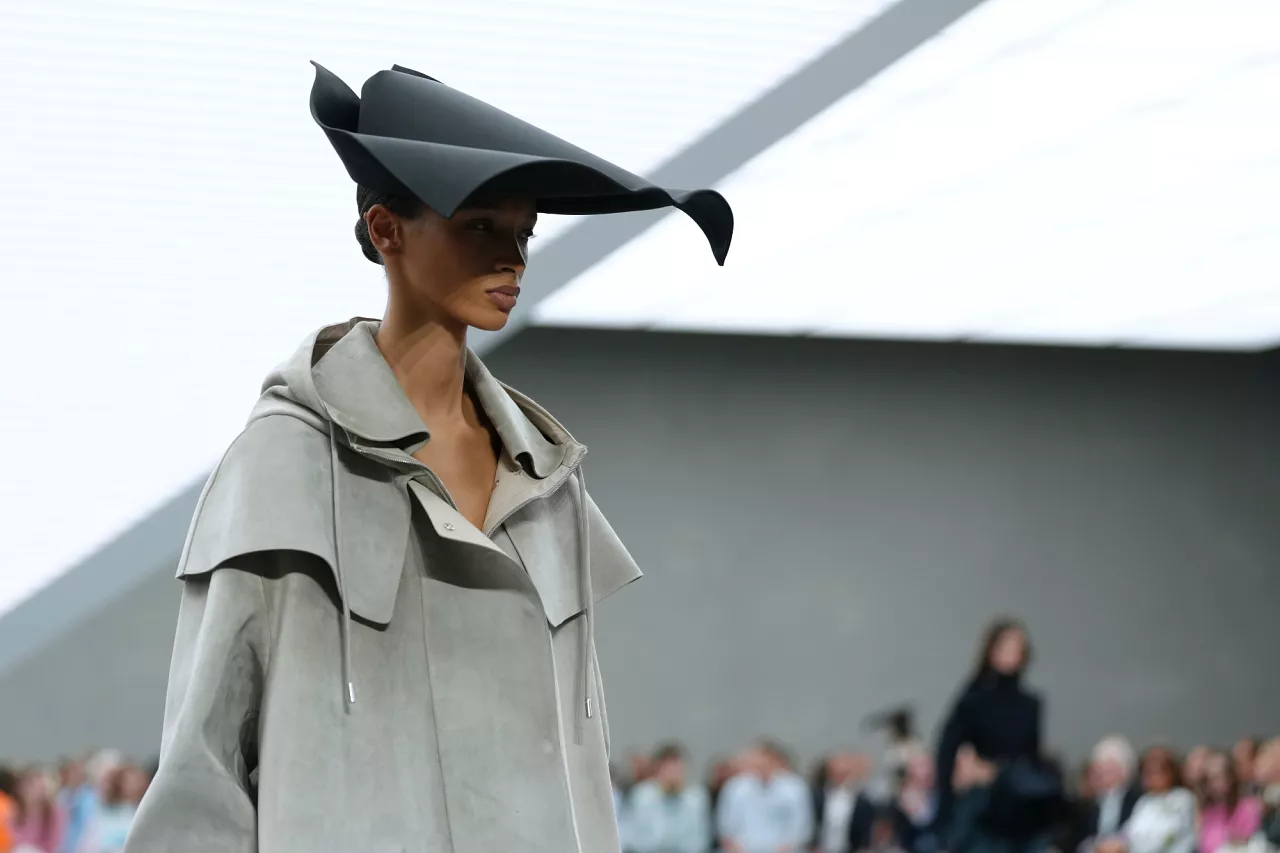
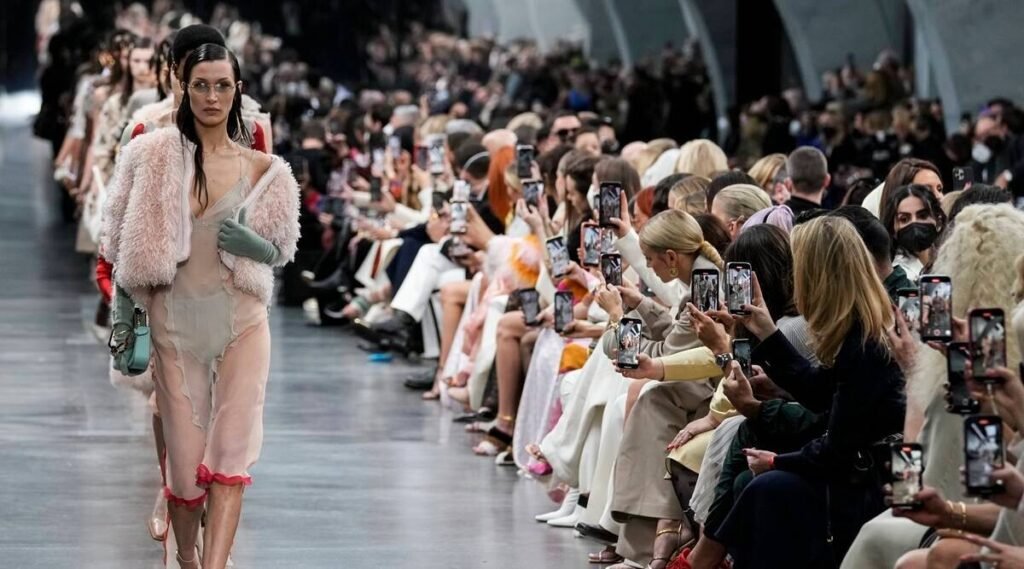
Runway shows typically last 10–20 minutes. Models walk in outfits that tell a visual story. Music, lighting, and set design create an emotional experience.
Each fashion week collection reflects a theme chosen by the designer.
3. Presentations and Showrooms
Not all designers host large runway shows. Some prefer:
- Small presentations
- Private showroom previews
- Digital lookbooks
This allows buyers to closely inspect fabrics and details.
4. Street Style and Media Coverage
Fashion week is also famous for street style. Photographers capture guests’ outfits outside venues. These looks often go viral on social media and influence trends just as much as runway collections.
Why Fashion Week Matters
Fashion week plays a major role in the fashion ecosystem.
Economic Impact
Fashion week drives:
- Retail orders
- Tourism revenue
- Brand partnerships
- Media exposure
Major cities benefit financially from these events.
Trend Forecasting
Designers showcase colors, fabrics, and shapes that predict upcoming trends. For example:
- Oversized tailoring
- Bold metallics
- Sheer fabrics
- Sustainable materials
Retailers adjust their inventory based on what they see during fashion week.
Cultural Influence
Fashion week reflects social changes. Designers often address topics like:
- Sustainability
- Gender inclusivity
- Cultural identity
- Technology in fashion
These themes show how fashion connects with global issues.
Fashion Week in the Digital Age
Technology has transformed fashion week.
Live Streaming
Many shows now stream online, allowing global audiences to watch in real time.
Social Media
Platforms like Instagram and TikTok make fashion week more accessible. Influencers share:
- Backstage moments
- Outfit details
- Trend breakdowns
Virtual and Hybrid Shows
During the COVID-19 pandemic, fashion week moved online. Even now, many brands continue hybrid formats that combine digital and physical presentations.
Sustainability and Fashion Week
Sustainability is a growing focus in fashion week events worldwide.
Designers are:
- Using recycled materials
- Reducing waste in production
- Creating timeless pieces
- Promoting slow fashion
Organizations like the Council of Fashion Designers of America (CFDA) and the British Fashion Council (you may reference their official websites for deeper research) encourage eco-friendly practices.
Fashion week is slowly shifting toward responsible design.
How to Attend Fashion Week
Many people dream of attending fashion week. Here are ways to increase your chances:
1. Work in the Industry
If you are a:
- Stylist
- Blogger
- Photographer
- Buyer
- PR professional
You may receive invitations.
2. Build a Personal Brand
Strong social media presence can help you get noticed during fashion week.
3. Buy Tickets (Where Available)
Some cities now offer public access events.
4. Volunteer or Intern
Many fashion week organizers look for event assistants.
Career Opportunities During Fashion Week
Fashion week creates many job roles:
- Backstage dressers
- Makeup artists
- Hair stylists
- Production assistants
- Event coordinators
- Fashion journalists
If you’re exploring fashion careers, check out our guide on how to start a career in fashion (internal link suggestion).
Key Trends That Often Emerge from Fashion Week
Every fashion week season introduces new ideas. Here are examples of trends that often dominate:
- Color Trends – Bold reds, pastel tones, or neutral palettes
- Silhouettes – Oversized coats, fitted dresses, wide-leg trousers
- Fabrics – Leather, satin, denim, sheer mesh
- Accessories – Statement bags, chunky jewelry, sculptural heels
Trend forecasting agencies and fashion magazines analyze fashion week collections to predict retail success.
The Business Side of Fashion Week
Behind the glamour, fashion week is serious business.
Buyers Place Orders
Retail buyers attend shows to select pieces for upcoming seasons.
Media Creates Buzz
Editors publish reviews that influence public opinion.
Designers Build Brand Identity
A strong fashion week presentation can:
- Increase brand value
- Attract investors
- Secure celebrity endorsements
Fashion Week vs. Haute Couture
Not all fashion week events are the same.
Haute couture shows present custom-made, one-of-a-kind garments. These are mainly shown in Paris and follow strict guidelines.
Ready-to-wear collections are mass-produced and sold in stores.
Both play important roles during fashion week seasons.
Challenges Facing Fashion Week Today
Fashion week continues to evolve, but it also faces challenges:
- High production costs
- Environmental concerns
- Fast fashion competition
- Digital disruption
Some designers now question whether traditional fashion week schedules are sustainable long term.
The Future of Fashion Week
The future of fashion week may include:
- More sustainable production
- Digital-first experiences
- Augmented reality runways
- Smaller, more intimate presentations
As consumer behavior changes, fashion week must adapt.
However, the excitement and creativity of live runway events remain powerful and inspiring.
Frequently Asked Questions (FAQs)
1. What is fashion week and why is it important?
Fashion week is a biannual event where designers present new collections. It influences global trends, retail buying decisions, and media coverage.
2. How many times a year does fashion week happen?
Fashion week usually happens twice a year—once for Spring/Summer and once for Fall/Winter collections.
3. Can the public attend fashion week?
Most fashion week shows are invite-only, but some cities offer limited public tickets or digital access.
4. Which city has the most famous fashion week?
Paris fashion week is often considered the most prestigious, but New York, London, and Milan are equally influential.
5. How does fashion week influence everyday clothing?
Designers showcase trends during fashion week that inspire retail brands. These ideas appear in stores months later in more affordable forms.
Image Suggestions for WordPress
- Runway show during fashion week
- Alt text: fashion week runway show with models walking
- Street style outside fashion week venue
- Alt text: street style trends at fashion week
- Backstage preparation during fashion week
- Alt text: backstage makeup session at fashion week
- Designer finale walk at fashion week
- Alt text: designer taking a bow at fashion week finale
- Front row guests at fashion week
- Alt text: celebrities attending fashion week front row
Conclusion: Why Fashion Week Continues to Inspire the World
Fashion week is more than a glamorous event. It is the heartbeat of the global fashion industry. It sets trends, drives business, supports creativity, and reflects cultural change.
From New York to Paris, fashion week connects designers, buyers, media, and consumers in a powerful cycle of innovation. As technology and sustainability reshape the industry, fashion week continues to evolve while keeping its creative spirit alive.
Whether you dream of attending, working behind the scenes, or simply following trends online, fashion week offers inspiration for everyone who loves style.


