level 2 autism
Learning about autism spectrum conditions can feel overwhelming at first. Doctors use new medical terms that confuse many families. The medical world divides this condition into three separate stages called support levels. Understanding what these specific levels mean is important for getting great therapies. In this guide, we will look closely at a middle diagnosis known as level 2 autism.
Table of Contents
What Is Level 2 Autism and What Does It Mean?
If you are wondering what is level 2 autism, you are not alone. Many parents look online to find out what does level 2 autism mean for their child’s daily routine. In the medical world, what is autism level 2 classified as by top experts? It means a person has clear challenges with talking and social skills. When exploring what does autism level 2 mean to a therapist, it points to substantial support needs. A person with this diagnosis can speak, but their conversations might feel very brief. If you want to know what this looks like on paper, think of it as a middle ground. Understanding what is autism spectrum disorder level 2 helps schools build better classrooms. Ultimately, this moderate diagnosis comes down to how much daily help a person needs to succeed.
Level 1 vs Level 2 Autism: Understanding the Key Differences
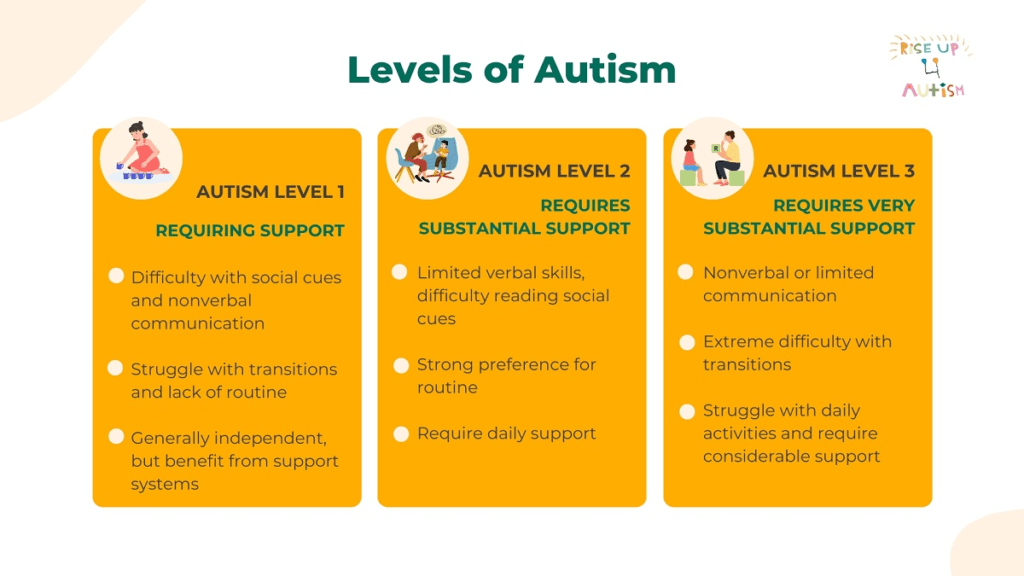
To fully understand the spectrum, we must look at level 1 vs level 2 autism differences. People with level 1 need support, but they can often mask their challenges well. When we look at what is level 1 and 2 autism, care amount is the main difference. A person with a level 2 autism spectrum disorder diagnosis shows noticeable difficulties with unexpected changes. For example, moving from one task to another can cause major personal distress. This holds true whether you call it a spectrum condition or a clinical disorder. Individuals in the first group might just seem slightly quirky to strangers. However, those in the second group need regular visual schedules to get through the day. Recognizing these differences allows therapists to create custom care plans that work.
Common Level 2 Autism Symptoms and Behavioral Signs
Recognizing level 2 autism symptoms early can make a massive difference in a child’s development. So, what does level 2 autism look like in everyday social situations? You might notice a person avoids eye contact entirely during chats. They might speak only in short, simple sentences to express basic needs. If you want to see what does autism level 2 look like, watch their sensory reactions. Loud noises or bright lights can cause sudden, intense emotional meltdowns. Repetitive body movements, like pacing back and forth, are also very common signs. These behaviors are not bad; they are just ways for the brain to self-soothe. Family members can learn to spot these triggers early to prevent stress.
Recognizing Level 2 Autism in Toddlers and Young Children
Spotting signs of level 2 autism in toddlers usually happens around two years of age. Parents might notice their young child does not respond to their own name. They might also prefer playing completely alone instead of with their siblings. When explaining what this condition looks like in children, doctors check milestones. A toddler might repeat words from television instead of using original sentences. They might also line up their toys in exact rows for hours. If anyone moves a single toy, the child might cry intensely. Early physical therapy and speech sessions can help these young children build skills. Creating a calm, predictable home environment reduces daily anxiety for everyone.
Level 2 Autism in Adults: How Signs Present Later in Life
Living with level 2 autism in adults brings a unique set of daily challenges. Many people wonder about specific level 2 autism symptoms in adults because diagnoses were missed years ago. Adults on this tier often have a hard time understanding subtle jokes. They may also struggle to read body language during casual workplace interactions. Experts focus on the high need for structured daily routines for these individuals. An adult might need a helper to manage money or cook healthy meals. Scheduling regular doctor visits can also require outside assistance. Change can still feel incredibly overwhelming, leading to severe mental burnout. With the right community support, these adults can hold meaningful local jobs.
Is Level 2 Autism High-Functioning or Moderately Severe?
A common question parents ask me is, is level 2 autism high-functioning? The simple answer is that the old label does not fit well. If you ask if can level 2 autism be high functioning, clinicians usually say no. The daily support needs are simply too high for that word. It is better to look at specific struggles rather than simple labels. This is a moderate form of autism right in the middle spectrum. People sometimes fear the diagnosis and worry about their child’s ultimate future. It is not a bad diagnosis to receive from a doctor. It just means the person experiences our busy world differently. Removing unfair stigmas helps everyone in our local neighborhoods thrive together.
Key Takeaway: Autism levels measure the amount of support a person needs, not their intelligence or human worth. Level 2 represents a middle ground requiring consistent daily structure.
Can People with Level 2 Autism Live Independently in the Future?
When thinking about the future, parents often ask, can level 2 autism live independently? The true answer depends heavily on the specific person and their tools. Think of independence as a very wide, flexible scale for these families. Some individuals can live in their own apartments with a counselor’s help. They might need help with paying bills or buying fresh groceries. Tracking medical visits can also require some outside assistance every week. Other individuals do much better living in supportive group homes with peers. These homes offer a safe balance of personal freedom and direct care. The goal of therapy is always to build as much autonomy as possible.
Educational Options: Can Level 2 Autism Go to Normal School?
Education is a major focus, and many ask, can level 2 autism go to normal school? Yes, many children attend traditional public schools with a dedicated helper. They often follow an Individualized Education Program to get extra testing time. When it comes to testing, there is no single intelligence score. Some children have average intelligence but struggle to show it easily. Speech barriers can make standard academic testing very difficult for them. Others may have learning delays that require specialized classroom setups. Parents also worry about long-term health, but life span is completely normal. Autism does not affect physical health or shorten a person’s life journey. With good medical care, individuals live long, happy lives.
Can Levels Change? Shifting Between Support Categories Over Time
The spectrum is dynamic, which leads people to ask, can level 2 autism become level 1 over time? Yes, a person’s official support tier can change as they grow. Through consistent speech therapy and behavioral coaching, children learn great coping skills. Their needed level of daily help might drop as they mature. This causes a doctor to update their official diagnosis code later. On the flip side, can level 3 autism improve to level 2 as a child develops? This happens frequently when early intervention tools are used during early childhood. When a non-verbal child learns to use a communication tablet, frustration drops. Levels are simply blueprints used to secure the right insurance coverage.
Government Financial Aid: Does Level 2 Autism Qualify for SSI and Disability?
Caring for a child can be expensive, so does level 2 autism qualify for ssi payments? In many cases, yes, families can receive regular Supplemental Security Income. This cash help depends on medical records and total household income. If you wonder about disability benefits, the answer is usually positive. The high daily support needs make families eligible for state aid. Legally speaking, this condition is recognized as a developmental disability. This status grants access to special accommodations at school and work. Parents often ask is autism level 2 a disability when applying for regional programs. If you live in Australia, look into annual NDIS funding support. This national system provides thousands of dollars for therapies every single year.
Useful Learning Courses, Media Representation, and Global Resources
Finding the right education can help families feel much more confident. For instance, families dealing with level 2 autism uk guidelines have excellent local charities. Parents can also enroll in certified awareness courses online to learn calming methods. Taking a specialized training course helps teachers create inclusive classrooms for all students. Media representation has also helped the world understand neurodiversity much better lately. Many reality television fans wonder about cast members on popular dating shows. Brave individuals share their personal lives openly with the camera crews. Seeing these authentic stories helps break down old social barriers around the world. It builds genuine community acceptance for everyone on the spectrum today.
Complete Autism Spectrum Levels Comparison Table
| Autism Diagnosis Level | Required Support Amount | Social Communication Style | Restrictive and Repetitive Behaviors |
| Level 1 | Requires basic support | Speaks in full sentences but struggles with back-and-forth chat | Hard to switch tasks; minor organization problems |
| Level 2 | Requires substantial support | Speaks in short sentences; distinct gaps in verbal skills | Noticeable distress when routines change unexpectedly |
| Level 3 | Requires very substantial support | Very few spoken words; rarely initiates interactions | Severe difficulty coping with change; repetitive actions interfere |
Frequently Asked Questions
What kind of speech therapy helps individuals with this diagnosis?
Speech therapists often use functional communication training to help individuals express their daily needs clearly. They might introduce picture boards or speech apps on tablets to bridge language gaps. The primary focus of these custom sessions is reducing daily frustration for children. Therapists also work on social skills by practicing simple back-and-forth chats. Parents are always encouraged to participate in these weekly school sessions. Learning how to reinforce these useful skills at home helps immensely. With consistent practice, children learn to navigate everyday social interactions much more easily. They build real confidence that helps them talk with friends at school.
How can I make my home safer for a child with unique sensory needs?
You can start by creating a dedicated quiet corner filled with soft pillows and dim lighting. It is highly beneficial to provide noise-canceling headphones to block out loud household noises. Avoid using harsh chemical cleaners with strong smells that might cause sudden sensory overload. You should also secure heavy furniture like bookshelves to the walls for physical safety. Try using visual schedules on the kitchen refrigerator so your child knows what comes next. These simple home adjustments create a predictable environment that lowers anxiety levels significantly. A peaceful space helps the entire household feel much more relaxed every evening. Every family member benefits from an organized and calm living area.
Are sleep problems common with this specific tier of autism support?
Many individuals on the spectrum experience significant difficulties falling asleep or staying asleep all night. Heavy weighted blankets and strict bedtime routines can help improve overall sleep quality nicely. It helps to keep the bedroom completely dark and cool to prevent sensory distractions. You should avoid giving them sugary snacks for at least two hours before bed. Turn off televisions and tablets early to help the brain wind down naturally. Always consult your trusted family pediatrician before starting any new dietary sleep supplements. Consistent sleep schedules support much better daytime behavior and emotional control for young children. A good night of rest makes morning school transitions much smoother.
Can weighted vests help calm a person during an emotional meltdown?
Weighted vests and blankets provide deep pressure stimulation to help calm an overactive nervous system. Many children find the heavy feeling comforting when they feel completely overwhelmed by public noises. It is best to use these sensory tools under the direct guidance of an occupational therapist. They can tell you exactly how heavy the vest should be for safety. You should never leave a young child unattended while they use weighted clothing at home. These tools work wonders during stressful family trips or loud holiday events. They give individuals a portable way to feel safe and grounded anywhere. Using them for short periods throughout the day brings the best calming results.
How do I explain this developmental diagnosis to extended family members?
You can explain it simply by focusing on how they experience sensory input differently from others. Tell your relatives that unexpected routine changes cause real distress, so predictable schedules are necessary. Ask them to use clear, direct sentences instead of complex jokes or sarcasm when talking. Explain that repetitive movements like rocking are just natural ways for their brain to calm down. Inviting family members to watch a therapy session can build deep empathy and understanding. They will learn how to interact with your child in positive and supportive ways. This creates a much more loving environment during large family holiday gatherings. Open communication removes confusion and brings relatives closer together.
What should I do if my local school is not providing enough classroom help?
You should request an official school meeting to review your child’s educational accommodations immediately. It is smart to bring medical documentation and private therapy reports to state your case. Schools are legally required to provide a fair and appropriate public education for every student. If the local school district refuses to help, you can file a formal state complaint. Staying highly organized with a dedicated binder for paperwork helps protect your child’s rights. Do not hesitate to partner with a professional educational advocate for extra courtroom or meeting support. Your active voice ensures your child receives the best classroom resources possible. Working closely with teachers creates a winning team for academic growth.
Conclusion
Navigating a level 2 autism diagnosis can feel like a long journey for parents. However, you do not have to walk this path completely alone. With substantial support and clear routines, individuals make incredible progress over time. Remember to celebrate the small victories every single day with your family. Your dedication and love are the most powerful tools for long-term success. If you need local support groups, contact community health centers nearby. They can connect you with experienced pediatric therapists and local sensory playgroups. These resources give children the tools they need to shine bright. Let us continue to learn and build a more accepting world together.
About the Author