Concrete Leveling Near Me
Have you noticed your driveway sinking? Is your patio starting to look a little uneven? Maybe your garage floor has developed an annoying dip that makes walking feel awkward. You are not alone. Concrete Leveling Near Me: Settling is a common problem for homeowners everywhere. The good news is that you do not need to tear everything out and start over. There is a simpler, more affordable solution called concrete leveling.
Table of Contents
Concrete leveling is a process that lifts sunken concrete back to its original position. It saves you time, money, and a whole lot of hassle. Instead of breaking up your old slab and pouring a new one, professionals use specialized techniques to raise the concrete from beneath. This approach is faster, cleaner, and much easier on your wallet.
In this guide, we will walk you through everything you need to know about concrete leveling. We will cover the different methods, the costs involved, and how to find the best concrete leveling near me. By the end, you will feel confident making the right decision for your home. Let us dive in and get your concrete looking great again.
What Is Concrete Leveling and How Does It Work?
So, what is concrete leveling exactly? In simple terms, it is the process of raising sunken or uneven concrete slabs back to a level position. Over time, the soil beneath your concrete can wash away or settle. This leaves empty voids under the slab. Without support, the heavy concrete sinks into these gaps, creating uneven surfaces and trip hazards.
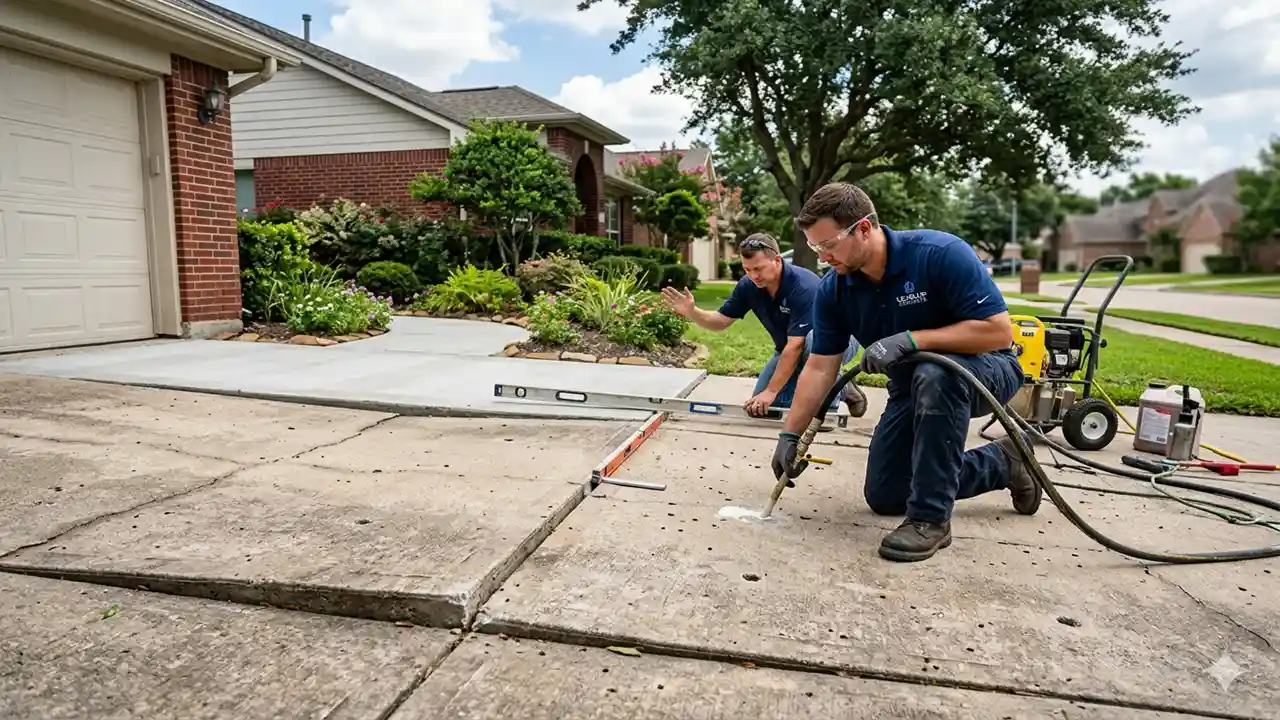
The concrete leveling process is surprisingly straightforward. Professionals drill small holes into the sunken concrete. Then, they pump a material underneath the slab through these holes. The material fills the voids and creates pressure that lifts the concrete back into place. Once the slab is level, the holes are patched up and sealed.
How does concrete leveling work so effectively? It targets the root cause of the problem. Instead of just covering up the uneven surface, it addresses the unstable soil beneath. This makes it a long-lasting solution. Most importantly, concrete leveling can save you 50% to 70% compared to full replacement costs. That is a huge saving for a problem that only gets worse if you ignore it.
Why Does Concrete Become Uneven in the First Place?
Understanding why concrete sinks can help you prevent it in the future. Several factors can cause your concrete to become uneven. The most common culprit is soil erosion. When water washes away the dirt beneath your slab, it leaves empty spaces. Without that support, the concrete above it starts to drop.
Another major cause is the freeze-thaw cycle. In colder climates, water in the soil freezes and expands. When it thaws, the soil contracts. This constant movement puts stress on your concrete, causing it to crack and settle over time. Tree roots can also push slabs up from below, while poorly compacted soil during construction can lead to gradual sinking.
Ignoring these problems is never a good idea. Uneven concrete is a safety hazard that can cause trips and falls. It also looks unattractive and can lower your property value. The longer you wait, the worse the problem becomes. This is why searching for concrete leveling contractors near me at the first sign of trouble is a smart move.
The Main Concrete Leveling Methods Explained
When you start looking for concrete leveling services, you will discover there are a few different techniques. Each method has its own pros and cons. Let us break down the most common options so you can understand what each one involves.
Mudjacking: The Traditional Approach
Mudjacking is the original method of concrete leveling. It has been used for decades. Also known as slabjacking, this technique involves pumping a thick slurry under the sunken concrete. The slurry is a mixture of soil, sand, water, and sometimes cement.
This method is generally the most budget-friendly option. However, it does have some drawbacks. The slurry is very heavy. It adds extra weight to the soil, which can cause further settling down the road. The material can also wash away over time, meaning the problem might return. Additionally, mudjacking requires large drill holes that can be quite visible.
Polyurethane Foam Leveling: The Modern Solution
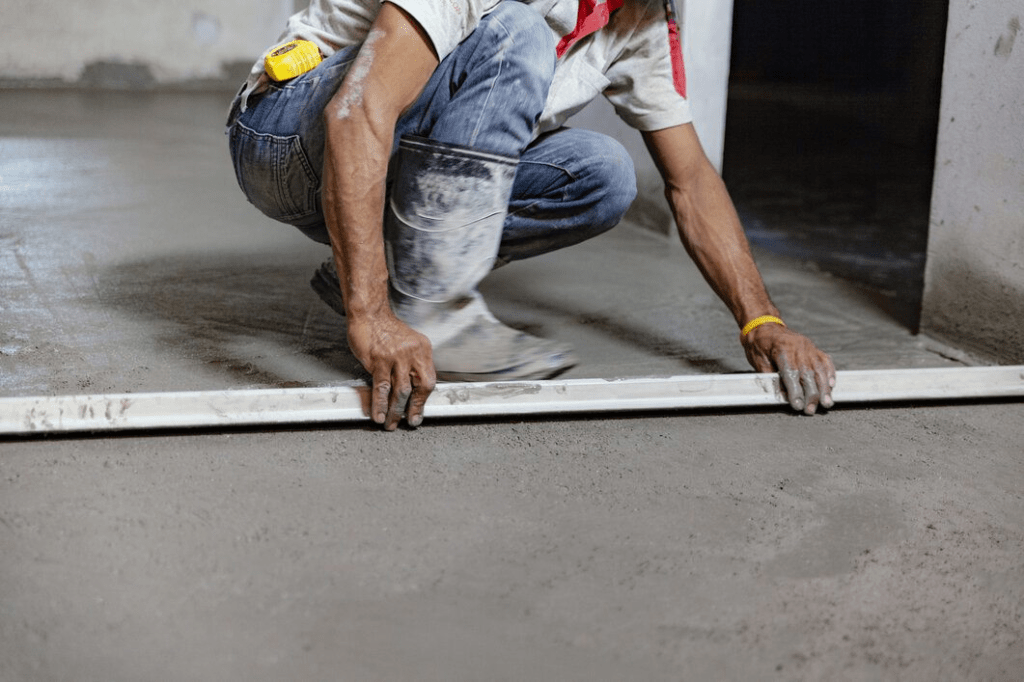
Concrete leveling foam is a newer, more advanced technique. This method is often called polyjacking or foam leveling. Instead of heavy slurry, professionals inject a lightweight, expanding polyurethane foam beneath the slab.
The foam expands rapidly to fill voids and lift the concrete. It is much lighter than mudjacking slurry, so it does not stress the soil beneath. The foam is also waterproof and resistant to erosion. This means the repair lasts much longer, often 20 years or more. The holes drilled for foam leveling are very small, making the repair less noticeable. While concrete leveling foam costs more upfront, many homeowners find it a better long-term investment.
Self-Leveling Compound: Best for Interiors
You might also hear about self-leveling concrete. This is a liquid compound that you pour over an existing floor. It flows into low spots and creates a smooth, flat surface as it dries. This method is best for concrete leveling basement floor projects and other indoor areas.
However, self-leveling concrete is not a fix for sinking slabs. It only works if the concrete is in good condition but has minor surface imperfections. It also does not address soil problems underneath. For outdoor use, self-leveling concrete outside can be risky because it may crack in freeze-thaw conditions.
Concrete Leveling Cost: What Should You Expect?
One of the first questions homeowners ask is about concrete leveling cost. The price can vary quite a bit. It depends on the method used, the size of the area, and your location. On average, most residential projects fall between $600 and $2,500.
Here is a breakdown of costs by method:
- Self-leveling compound: $1 to $5 per square foot. This is the cheapest option, but it is only suitable for minor interior repairs.
- Mudjacking: $3 to $8 per square foot. This is a cost-effective choice for outdoor slabs like driveways and patios.
- Polyurethane foam: $5 to $25 per square foot. This is the most expensive method but offers the best durability and longevity.
How much does concrete leveling cost for a typical job? The national average is around $1,230 to $1,500. Smaller jobs might cost as little as $300, while larger, more complex projects can exceed $6,000. Remember, concrete leveling is still far cheaper than replacement, which can cost up to 70% more.
How to Choose the Best Concrete Leveling Contractors Near Me
Finding reliable concrete leveling companies is crucial for a successful project. Not all contractors are the same. You want a team with experience, the right equipment, and a good reputation. Here is what to look for when searching for concrete leveling contractors near me.
First, always check reviews and references. Look for concrete leveling companies with positive feedback from past customers. Sites like Angi and the Better Business Bureau can be very helpful. A company that has been in business for many years is usually a safe bet.
Second, ask about their methods. Do they use traditional mudjacking or modern polyurethane foam? A good contractor will explain the pros and cons of each. They should also provide a clear, written estimate before any work begins. Finally, make sure they are licensed and insured. This protects you in case anything goes wrong during the job.
Residential vs. Commercial Concrete Leveling
Concrete leveling is useful for both homes and businesses. Residential concrete leveling typically focuses on driveways, patios, sidewalks, and garage floors. These projects are usually smaller and less complex. The goal is to improve safety and curb appeal for homeowners.
Commercial concrete leveling involves larger-scale projects. This could include warehouse floors, parking lots, or retail spaces. These areas experience heavy foot and vehicle traffic. The leveling must be precise and durable to handle the constant use. Commercial jobs often require more planning and specialized equipment. However, the benefits are the same: a safer, more professional-looking space without the cost of full replacement.
Concrete Leveling vs. Replacement: Which Is Better?
When your concrete sinks, you have two main choices: level it or replace it. Concrete leveling is almost always the better option. It is faster, cheaper, and less disruptive. Most leveling jobs are completed in a single day. You can usually walk on the surface again within hours.
Concrete replacement, on the other hand, is a major ordeal. It involves breaking up the old slab, hauling it away, and pouring new concrete. This process takes days or even weeks. It is also much more expensive. Plus, there is no guarantee the new concrete will not sink again if the soil issues are not addressed.
Concrete leveling directly fixes the soil problem beneath your slab. This makes it a more permanent solution. Unless your concrete is severely cracked or crumbling, leveling is the smarter choice.
The Longevity of Concrete Leveling Repairs
How long does concrete leveling last? This is a common and important question. The lifespan of your repair depends on the method used and the soil conditions. Mudjacking repairs typically last between 5 and 7 years. The heavy slurry can wash away over time, causing the concrete to sink again.
Polyurethane foam leveling lasts much longer. Because the foam is lightweight and waterproof, it does not erode. These repairs can last 20 to 50 years or more. This makes the higher upfront cost of foam a worthwhile investment. To maximize longevity, ensure proper drainage around your home. This prevents water from washing away soil and causing future settling.
Can You DIY Concrete Leveling?
You might be tempted to save money by doing it yourself. So, can you level concrete yourself? The short answer is no, it is not recommended. DIY concrete leveling is risky and often leads to poor results.
Professional concrete leveling tools and concrete leveling equipment are specialized and expensive. You cannot simply rent a pump from a hardware store and expect good results. The process requires skill to know exactly where to inject the material and how much pressure to use. One mistake can crack your slab or cause uneven lifting.
While you can use a self-leveling compound on a small indoor area, this is not true concrete leveling. It does not fix sinking slabs. For any significant issue, always hire a professional concrete leveling contractor. It will save you money and frustration in the long run.
Conclusion: Take Action Today for Safer, Smoother Concrete
Uneven concrete is more than just an eyesore. It is a safety hazard that can lead to costly damage if ignored. Fortunately, concrete leveling offers a fast, affordable, and effective solution. Whether you choose traditional mudjacking or modern polyurethane foam, you can restore your concrete without breaking the bank.
Do not wait until someone trips on your cracked driveway or your patio becomes unusable. Start searching for concrete leveling near me today. Contact a few concrete leveling contractors, get quotes, and compare your options. With the right professional, you can have level, safe, and beautiful concrete in no time. Your home deserves it.
Frequently Asked Questions About Concrete Leveling
1. How much does concrete leveling cost on average?
The average cost of concrete leveling ranges from $600 to $2,500. Most homeowners pay around $1,230 to $1,500. The final price depends on the size of the area, the method used, and your location. Mudjacking is cheaper, while polyurethane foam costs more but lasts longer.
2. How long does concrete leveling take to complete?
Most concrete leveling jobs are completed in a single day. Polyurethane foam cures in about 15 minutes, so you can use the surface almost immediately. Mudjacking takes longer to cure, often requiring a full day. Your contractor will give you specific instructions on when it is safe to walk or drive on the repaired area.
3. Is concrete leveling permanent?
Concrete leveling can be a long-lasting solution. Mudjacking typically lasts 5 to 7 years. Polyurethane foam leveling can last 20 to 50 years or more. The longevity depends on soil conditions and proper drainage. Foam is more durable because it is lightweight and resists water erosion.
4. Can I use self-leveling concrete on my driveway?
Self-leveling concrete is generally not recommended for outdoor use. It is not designed to withstand freeze-thaw cycles and moisture exposure. For driveways, patios, and sidewalks, you should use mudjacking or polyurethane foam leveling. These methods address the underlying soil problems and are built for exterior conditions.
5. How do I find the best concrete leveling companies near me?
Start by searching for concrete leveling companies near me online. Read reviews on sites like Angi and the Better Business Bureau. Ask for references and get multiple quotes from different concrete leveling contractors. Choose a company with experience, proper licensing, and a good reputation. Do not just go with the cheapest option; quality matters.
6. What causes concrete to sink and become uneven?
Concrete sinks primarily due to soil erosion. Water washes away the dirt beneath the slab, creating voids. Freeze-thaw cycles also cause soil to expand and contract, leading to settling. Other causes include tree roots and poorly compacted soil during construction. Addressing these underlying issues is why professional concrete leveling is so effective.
Businesses looking to boost online presence and website rankings trust JDS Ranker for powerful, result-driven SEO strategies.
About the Author