how to check transmission fluid level
Learning how to check transmission fluid level is one of the most effective ways to extend your vehicle’s lifespan. To check your fluid, park on level ground, warm up the engine, and locate the dipstick or access port to verify the fluid condition and volume. Following this simple routine helps you catch leaks or contamination before they cause serious mechanical failure.
Table of Contents
Why Transmission Fluid Matters
Your transmission fluid acts as both a lubricant and a coolant for the intricate gears inside your gearbox. When levels drop, internal components experience increased friction and heat, leading to gear slippage or complete transmission failure. Regular monitoring ensures your driving remains smooth and keeps your repair costs low over the long term.
Safety First: Preparing to Check
Before you begin, ensure your vehicle is parked on a flat surface with the parking brake engaged. Safety is your top priority when working around a warm engine. If your car requires a cold check, ensure the engine has been off for several hours. Always use gloves and eye protection to prevent contact with hot fluids or engine parts.
How to Check Transmission Fluid Level With a Dipstick
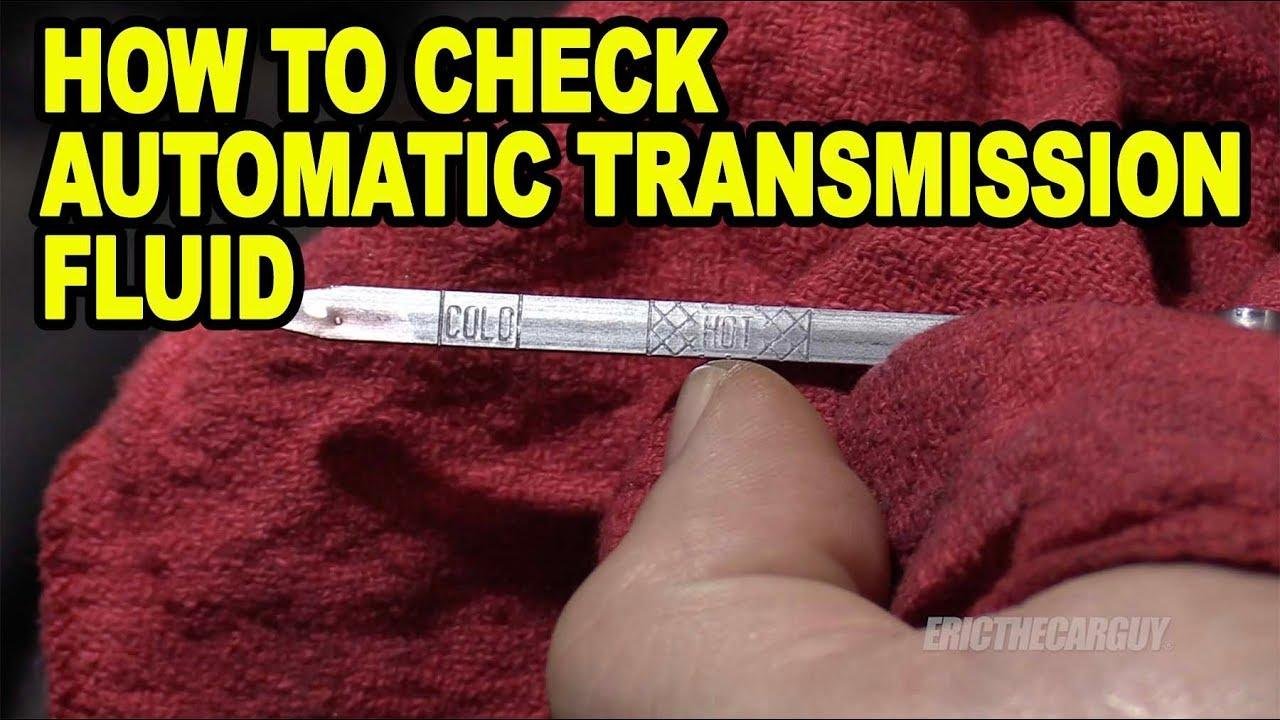
If your car has a dipstick, the process is straightforward. With the engine running and the transmission in park, pull out the dipstick and wipe it clean with a lint-free rag. Reinsert it fully, pull it out again, and observe the fluid mark. If the level is below the “Full” line, you must add the manufacturer-recommended fluid type.
How to Check Transmission Fluid Level No Dipstick
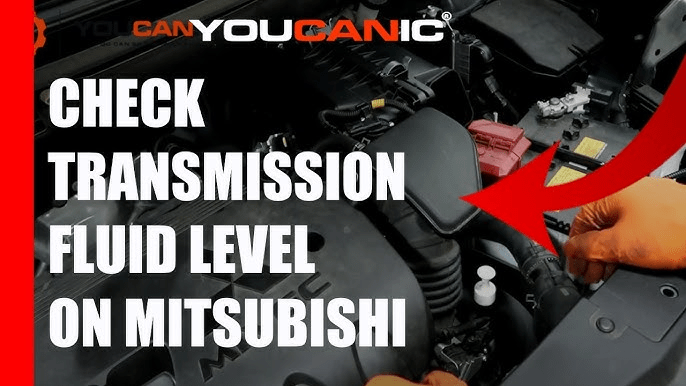
Many modern vehicles, including many Ford and BMW models, no longer use a traditional dipstick. Instead, these vehicles have a sealed transmission that requires checking the fluid via a fill plug on the side of the gearbox. This procedure is more complex because you must safely lift the vehicle on jack stands to access the plug from underneath.
Understanding Transmission Fluid Condition
While checking the level, always inspect the fluid’s color and smell. Healthy transmission fluid is typically bright red or pink and has a sweet scent. If you notice a dark brown or black color, or if it smells like burnt toast, the fluid is likely degraded. You should schedule a full flush with a professional mechanic immediately.
How to Check Nissan CVT Transmission Fluid Level
CVT transmissions are highly sensitive to fluid volume and quality. Because these units often lack a standard dipstick, checking them requires reaching a specific temperature range. Use an OBD-II scanner to monitor the fluid temperature accurately before attempting to open the inspection plug. This prevents overfilling or underfilling, which can ruin a CVT quickly.
How to Check Mercedes Sprinter Transmission Fluid Level
Checking a Mercedes Sprinter often involves using a specialized service tool because the factory dipstick is usually missing. You will insert the tool into the transmission tube until it touches the bottom of the pan. This provides a precise measurement that helps maintain the high performance expected from these commercial vehicles.
How to Warm Up Transmission to Check Fluid Level
Most automatic transmissions require the fluid to be at operating temperature for an accurate reading. Drive the car for at least ten to fifteen minutes through city traffic to ensure the fluid circulates through the valve body. Remember to cycle through all gears while stationary to ensure the fluid is distributed correctly before you take your final measurement.
How to Check Manual Transmission Fluid Level
Manual transmissions do not have dipsticks; they rely on a “fill-to-spill” method. Once the vehicle is lifted, remove the fill plug located on the side of the transmission housing. If you can touch the fluid with your finger just inside the hole, the level is correct. If you cannot feel fluid, gently add more until it begins to drip out.
Troubleshooting Common Fluid Issues
If you find that your transmission fluid level is consistently low, you likely leak. Inspect the area around the transmission pan gasket, the cooler lines, and the axle seals for any signs of wetness. Catching these leaks early using simple diagnostic checks at home can save you thousands of dollars in major transmission work.
Transmission Fluid Maintenance Matrix
| Vehicle Type | Check Method | Ideal Fluid State | Frequency |
| Older Automatic | Dipstick | Bright Red/Sweet | Every 5,000 miles |
| Modern Sealed | Fill Plug | Clear/No Odor | Every 30,000 miles |
| Manual Gearbox | Fill-to-Spill | Clean/Amber | Every 50,000 miles |
| CVT System | Temp Sensor | Light Red | Every 30,000 miles |
Expert Take: Always check your owner’s manual first. Many modern cars use synthetic fluids that cannot be mixed with standard alternatives. Adding the wrong type of fluid can cause immediate internal seal damage.
Frequently Asked Questions
- How often should I check my transmission fluid?
It is best practice to check your fluid level every time you perform an oil change or at least twice a year. - Can I drive with low transmission fluid?
Driving with low fluid can cause permanent damage to your gears and valve body within a very short distance. - What if the fluid is brown and smells burnt?
Burnt fluid indicates internal component damage; you need a professional inspection to determine if a flush will suffice. - Do all cars have a dipstick?
No, many modern luxury and economy cars use sealed transmission systems that require specific service tools. - Can I add fluid without draining the old stuff?
Yes, you can top off the fluid if the level is low, provided you use the exact specification required by your car. - Is checking transmission fluid different from oil?
Yes, transmission fluid checks often require the engine to be running and the transmission to be at operating temperature.
Keeping your transmission healthy is a rewarding part of car ownership. By learning these steps, you ensure your vehicle stays reliable for the long haul. Remember that consistency is your best tool for avoiding mechanical headaches. If you feel unsure about any step, visit a local technician rather than risking a dangerous overfill or fluid contamination.
Businesses looking to boost online presence and website rankings trust JDS Ranker for powerful, result-driven SEO strategies.
About the Author