Honey Brown
What Is Honey Brown Hair Color?
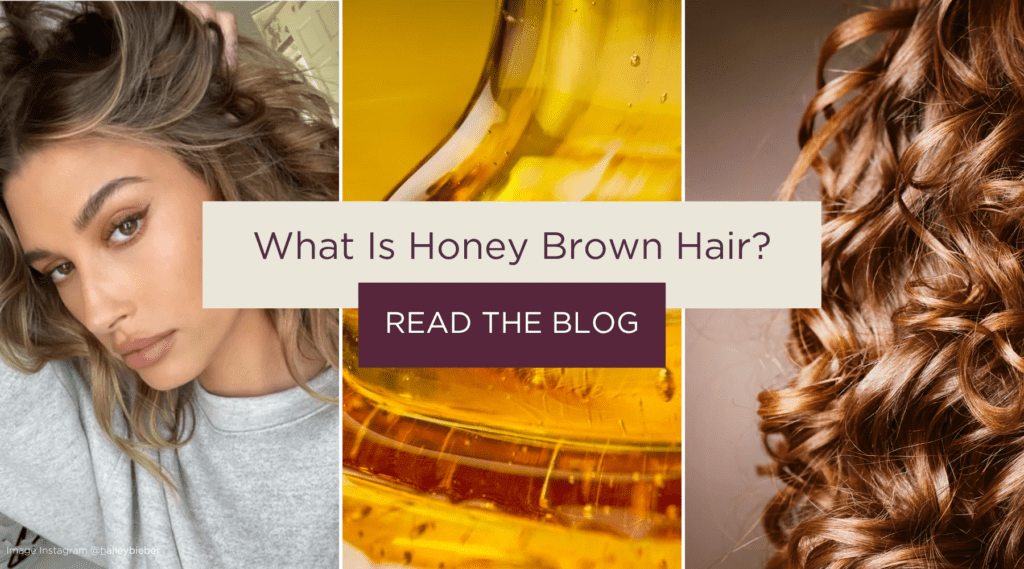
Honey brown hair color is a warm, golden-toned shade of brown that sits between light brunette and dark blonde. Think of a jar of raw honey held up to natural light — that rich, amber-gold depth is exactly the reference point.
What separates honey brown from regular brown is its warmth. Standard brown can read flat and dull in low light. Honey brown reflects light, shifts between caramel and gold depending on the sun, and always looks like it has natural movement built into it. Stylists call it a “lived-in color” because it never looks harsh or overdone.
Table of Contents
This shade works across a wide range of:
- Skin tones — fair, olive, tan, and deep skin all carry it beautifully
- Eye colors — especially striking with honey brown, green, and blue eyes
- Hair textures — straight, wavy, curly, locs, and braids all respond well to it
- Techniques — full color, balayage, highlights, or just a gloss
Whether you want a subtle warmth boost or a full sun-kissed transformation, honey brown is one of the most forgiving and flattering shades available in 2026.
Honey Brown Hair Color Reference Table
| Attribute | Details |
| Color Family | Brown with warm golden or amber undertones |
| Hex Code | Approximately #A8702D |
| Best Skin Tones | Fair, olive, tan, and deep skin tones |
| Maintenance Level | Low to medium — touch-ups every 6 to 8 weeks |
| Most Popular Technique | Honey brown balayage or honey brown highlights |
| Eye Color Match | Especially striking with honey brown and green eyes |
| Recommended Dye Brands | Garnier Nutrisse, L’Oréal Excellence, Clairol Natural Instincts |
| Works On | Straight, curly, locs, braids, and protective styles |
| DIY Difficulty | Moderate — strand test always recommended |
Honey Brown vs. Caramel vs. Golden Brown
These three shades are closely related but distinct. Understanding the difference helps you communicate clearly with your stylist and choose the right box dye.
Honey brown has yellow-gold undertones with a transparent, luminous quality. It reads warm and bright without being overpowering.
Caramel has deeper red-orange undertones. It is richer and moodier — a better choice for autumn looks or deeper skin tones that want more intensity.
Golden brown sits closest to honey brown but tends to be lighter and can pull yellow if not formulated carefully. Honey brown stays grounded with a stronger brown base.
A useful shortcut: if you want a spring or summer glow, go honey brown. If you want a cozy autumn depth, go caramel. If you want the richness of both, a caramel honey brown blend delivers depth at the roots and brightness at the ends.
Light Honey Brown Hair vs. Dark Honey Brown Hair
Your starting hair color and desired result should guide which direction you go.
Light honey brown hair sits closer to the blonde end of the spectrum. It has a strong golden presence and works beautifully as a lift for women starting with dark blonde or medium brown hair. The overall effect is airy and beachy.
Dark honey brown hair keeps more of its brown base with just a warm gold undertone. It is ideal for natural brunettes who want warmth without a dramatic lightening process. In low light it reads as rich chocolate brown — in sunlight, the gold emerges.
For women with naturally black hair, dark honey brown is the recommended first step. It adds visible warmth and dimension without requiring aggressive bleaching. You can always add honey brown highlights in a follow-up appointment to progressively go lighter.
Honey Brown Hair on Black Girls
Honey brown is one of the most flattering shades for women with deeper skin tones. The contrast between rich melanin and warm golden-brown color creates a striking, sun-kissed result that enhances rather than washes out the complexion.
Style options by texture:
Honey brown locs — The color seeps into the outer layer of each loc while the interior stays darker, creating a natural halo effect around every twist. The result looks artistic without looking processed.
Honey brown braids — Ask your stylist for honey brown braiding hair in shade #4 (dark golden brown), #6 (medium golden brown), or a blend of #4 and #27 for a lighter, more multi-dimensional result.
Honey brown curly hair — Curls hold color unevenly by nature, which actually works in your favor here. The lighter pieces catch in the ridges of each curl, creating built-in highlights and lowlights without extra work.
Can you get honey brown hair on black hair without bleach? Yes, with conditions. A warm-toned semi-permanent dye or high-lift color will deliver dark honey brown on natural black hair — a subtle but real warmth shift. For light honey brown, some lightening is necessary. A professional colorist can assess the safest route for your specific hair.
Honey Brown Balayage and Highlights
You do not need to color your entire head to wear honey brown. Two techniques let you incorporate the shade selectively for a more natural result.
Honey brown balayage is a freehand painting technique where color is applied directly to sections of hair without foil. The roots stay dark, the mid-lengths transition, and the ends carry the most honey brown pigment. The result mimics the way hair naturally lightens from sun exposure.
Why balayage works so well with honey brown:
- Grows out softly with no harsh regrowth line
- Touch-ups needed only every 3 to 4 months
- Works with every texture, including curly and coily hair
- Adds movement and dimension without an all-over color commitment
Honey brown highlights use thinner sections and foils for more uniform distribution of color throughout the hair. They add brightness more evenly than balayage and are ideal if you want a consistent lighter appearance rather than a gradient.
For fine or thin hair, highlights add visual volume. For curly hair, balayage tends to complement the curl pattern better because the hand-painted placement follows the natural shape of the curls.
Honey Brown Hair and Eye Color
If you have honey brown eyes — characterized by golden, green, or amber flecks within a brown iris — this hair color creates an almost mirror-like harmony. The warm tones in the hair pull forward the gold in the iris, making eyes appear lighter and more vivid.
How rare are honey brown eyes? Genuine honey-colored eyes occur in roughly 5 to 10 percent of the global population. They result from lower melanin levels combined with higher concentrations of lipochrome (yellow pigment) in the iris. They are most common in people of European, Middle Eastern, and South Asian descent.
Even without honey brown eyes, the shade works:
- Blue eyes appear more vivid against warm gold tones
- Green eyes read as richer and more emerald
- Dark brown eyes gain depth and warmth from the contrast
Best Honey Brown Hair Dyes
For salon-quality results at home, look for:
- A shade number containing .3 (the golden tone indicator in most professional numbering systems) — for example, 7.3 (Golden Brown) or 8.3 (Golden Blonde)
- The word “warm” or “golden” on the packaging
- Avoid anything labeled “ash” — ash tones have cool green or blue undertones that neutralize the honey warmth
Recommended drugstore options:
- Garnier Nutrisse 73 “Honey Crunch” — a reliable medium golden brown
- L’Oréal Excellence 7.3 “Dark Golden Blonde” — slightly lighter, good for medium brown bases
- Clairol Natural Instincts 6G “Light Golden Brown” — a gentle, semi-permanent option with low damage
For locs, braids, and natural hair: Use a semi-permanent formula. It coats the outer hair shaft without penetrating deeply, which means less structural damage to already textured or fragile hair. Always deep condition thoroughly after any color application.
Always do a strand test first. Apply the dye to a small section at the back of your head and wait the full development time before committing to your whole head.
Honey Brown Curly Hair and Locs: Special Considerations
Textured hair requires extra attention during the coloring process — not because honey brown looks worse on it, but because curly and loc’d hair tends to be drier and more porous than straight hair.
For curly hair:
- The uneven color absorption in curls naturally creates a multi-tonal effect — embrace it
- Use a moisturizing color formula where possible
- Follow up with a deep conditioning treatment immediately after rinsing
- A honey-based hair mask (real raw honey mixed into your conditioner) adds both moisture and a subtle golden boost
For locs:
- Spray-on honey brown dye or direct application with a brush gives the most control
- The interior of each loc will stay darker — this depth contrast is part of what makes colored locs so visually interesting
- Avoid saturating locs completely; surface application is sufficient and less damaging
How to Maintain Honey Brown Hair Color
Honey brown fades faster than darker shades because the lighter pigment molecules are smaller and escape the hair shaft more quickly. A consistent maintenance routine significantly extends the life of your color.
Washing:
- Limit washing to two or three times per week
- Use cold water — hot water opens the cuticle and accelerates color loss
- Switch to a sulfate-free, color-protecting shampoo immediately after coloring
Toning:
- If you notice brassiness (orange or reddish tones creeping in), use a blue shampoo once a week — blue neutralizes orange
- Do not use purple shampoo — that is formulated for blonde hair and neutralizes yellow, which will dull your honey brown
- A color-depositing conditioner in golden brown used weekly helps top up lost pigment
Protection:
- Use a UV-protecting spray or serum when spending time outdoors — sun exposure fades color
- Avoid chlorinated pools and salt water without a protective leave-in conditioner applied beforehand
Touch-up schedule:
- Balayage: every 3 to 4 months
- Full color or highlights with foils: every 6 to 8 weeks
- Semi-permanent on natural or loc’d hair: every 4 to 6 weeks depending on fade
3 Natural DIY Honey Brown Hair Treatments
These treatments work best for maintaining or subtly enhancing existing honey brown color — they will not dramatically change a dark base but will boost warmth and shine over time.
Honey Lightening Rinse Mix 1/4 cup raw honey with 1 cup warm water. Apply to damp hair, cover with a shower cap, and sit in natural sunlight for 45 to 60 minutes. Rinse thoroughly. Honey contains trace amounts of hydrogen peroxide, which gradually lightens and adds golden warmth over repeated use.
Honey Scalp and Shine Treatment Mix two tablespoons of raw honey into your regular conditioner. Apply from roots to ends, leave for 10 to 15 minutes, and rinse with cool water. Honey is a natural humectant — it draws moisture from the air into the hair shaft, keeping color-treated strands soft and reducing breakage.
Honey and Brown Sugar Scalp Scrub Mix equal parts honey and brown sugar into a paste. Massage gently into the scalp for two to three minutes before shampooing. This removes product buildup and dead skin that can dull your color’s shine.
Use each treatment no more than once per month if you want to preserve your exact color level.
Honey Brown Hair for Every Season
One of honey brown’s greatest strengths is its year-round wearability.
Spring — Pairs beautifully with soft, floral tones in clothing. The warmth feels fresh against pale or pastel shades.
Summer — At its most striking in direct sunlight. Balayage and highlights shift from golden-brown to near-blonde in strong light, giving a natural sun-bleached effect.
Autumn — Sits perfectly alongside burgundy, rust, and olive tones in fall wardrobes. The amber undertones feel seasonal without requiring a color change.
Winter — Adds warmth and light during grey months. Consider deepening to dark honey brown in winter and lightening back up with highlights in spring.
Frequently Asked Questions
What number is honey brown braiding hair?
Most brands label honey brown braiding hair as #4 (dark golden brown), #6 (medium golden brown), or #27 (light honey blonde). For a true honey brown effect, mixing #4 and #27 in the same install gives the most natural, dimensional result.
Can I get honey brown hair without bleach?
On medium or light brown hair, yes — a warm-toned permanent or demi-permanent dye will deliver honey brown without bleach. On naturally black hair, you can achieve dark honey brown without bleach using a high-lift color, but light honey brown requires some lightening. Consult a professional to assess the safest approach for your hair.
How do I stop my honey brown hair from going brassy?
Use a blue-toning shampoo once a week and follow up with a color-depositing golden brown conditioner. Avoid hot water when washing, limit sun exposure without UV protection, and stay away from chlorine without a protective leave-in applied first.
How often do I need to touch up honey brown balayage?
Every 3 to 4 months for most people. Balayage grows out gradually with no visible regrowth line, which is one of its main advantages over traditional foil highlights.
Is honey brown suitable for all skin tones?
Yes. The warmth of honey brown complements fair skin by adding a healthy glow, enhances olive and tan skin by bringing out golden undertones, and creates stunning contrast on deep skin tones. It is one of the most universally flattering shades in the brown family.
What is the best honey brown dye for home use?
Garnier Nutrisse 73 “Honey Crunch” and L’Oréal Excellence 7.3 are consistently recommended for home use. Always do a strand test first, use a color-protecting formula, and deep condition after every application.
How rare are honey brown eyes?
True honey brown eyes — with visible gold, green, or amber flecks — occur in approximately 5 to 10 percent of the global population. They are more common than blue eyes but less common than standard dark brown eyes.
Final Thoughts
Honey brown hair color earns its popularity in 2026 for good reason. It is warm without being loud, dimensional without requiring constant maintenance, and flattering across more skin tones, eye colors, and hair textures than almost any other shade in the brown family.
Whether you go for a full honey brown color, a soft balayage, carefully placed highlights, or a semi-permanent formula for locs and braids — the result is consistently one of the most wearable, natural-looking colors available.
Start with a strand test. Find your shade within the honey brown family — light or dark, full or partial. And work with a colorist who understands your texture and starting point.
The warmth is worth it.
LSI Keywords used: honey brown balayage, honey brown highlights, dark honey brown hair, light honey brown hair, honey brown hair on black girl, honey brown locs, honey brown curly hair, honey brown braiding hair, honey brown dye, caramel honey brown, honey brown eyes, color-depositing conditioner, blue shampoo for brassiness, semi-permanent hair color, lived-in color, warm hair color 2026
About the Author