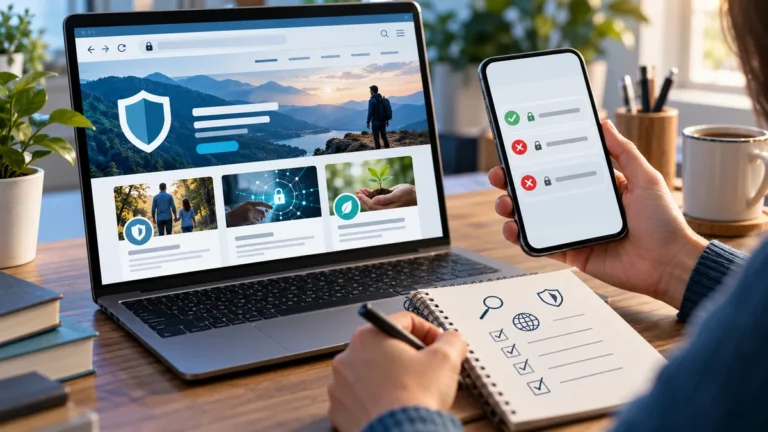
Thealite Keep Safe is the name of an informational website at thealitekeepsafe.com. It features safety, technology, and everyday how-to articles, including a post titled “Keep Safe with the Power of Hi Thealite.” The name alone does not establish a security app, and the similarly named thealite.com.au domain should not be assumed to be affiliated.
Table of Contents
What is Thealite Keep Safe?
Thealite Keep Safe is the name displayed on the informational website thealitekeepsafe.com. The site publishes plain-language articles on safer browsing, privacy, devices, and broader everyday topics. Its homepage includes material about protecting data, VPNs, encryption, medicines, home safety, and other subjects. It should not be confused with a verified antivirus product or a password vault simply because the words “keep safe” appear in its name.
The website’s main page has a conventional magazine-style layout, including posts, bylines, and categories. Readers who arrive from a search result should check the specific article and its date, rather than assuming that the site’s title guarantees expertise across all subjects. For a comparison with another broad-topic publication, Tech CEE has separately reviewed Coolkingzone.com and its content categories.
Thealitekeepsafe.com: What the homepage actually shows
At the time of this review, the homepage presented a series of informational articles. Examples included how to keep data secure, whether a VPN protects someone on public Wi-Fi, and how encryption works. Other featured topics concerned keeping medicine, food, and belongings safe. That subject mix is more consistent with a consumer information publisher than a single-purpose security software provider.
Readers can search the site’s homepage, open individual article pages, and assess each post’s author and update date. However, a blog article about digital privacy should not be treated as proof that the publisher operates an actual privacy product. The distinction matters if you see third-party adverts describing an unfamiliar “Thealite” login, app, or encrypted vault.
For the primary source, review the Thealite Keep Safe homepage and compare any claim with the website’s current navigation. Features and publishing policies can change after this article is written.
Is Thealite Keep Safe a cybersecurity application?
The public homepage inspected for this article did not establish an official antivirus program, VPN client, password manager, cloud-storage application, or security dashboard under this name. The site publishes guides about these subjects, which is a different activity from designing or supporting such products. If someone advertises an app named Thealite Keep Safe, confirm the software publisher, official distribution page, and permissions before installing it.
Claims about military-grade encryption, proprietary monitoring, or automated threat detection need independent technical documentation. A catchy slogan cannot demonstrate encryption quality, security testing, or regulatory compliance. If supporting evidence is absent, treat such claims as unverified, not as established features.
Keep Safe with the Power of Hi Thealite explained.
“Keep Safe with the Power of Hi Thealite” appears as a published article title on thealitekeepsafe.com homepage. The phrase also circulates on other sites in discussions about protecting accounts and digital wallets. Its existence as a headline does not prove that a physical device, commercial service, or “Hi Thealite” artificial-intelligence platform is available.
Some third-party articles describe the phrase as a futuristic system with sensors, AI monitoring, and automatic emergency responses. We could not verify an official product specification, developer, live dashboard, or independent test supporting that particular interpretation. A sensible reading is to view it as safety-themed wording until primary evidence shows otherwise.
The practical advice linked with such phrases—use unique passwords, enable multifactor authentication, and watch for phishing—is useful regardless of whether any particular named technology exists. Tech CEE’s technology tips and troubleshooting overview provides adjacent general reading, not an endorsement of the Thealite brand.
Thealite.com.au versus Thealitekeepsafe.com
Search phrases like “thealite.com.au keep safe” combine two different domains. They should not automatically be treated as the same publisher, business, or service. During this October 2026 check, thealite.com.au showed a short domain-information page indicating it might be for sale rather than an operating publication. In contrast, thealitekeepsafe.com displayed an accessible article archive under the Thealite Keep Safe name.
Older search results and commercial listings describe the Australian domain in relation to SEO, marketing, or guest posting, but those descriptions do not establish its current operator or a formal relationship with the safety-focused .com site. Avoid assuming that a shared word in two addresses establishes ownership. Check the complete hostname, current site status, and verified first-party contact information.
This also explains why old snippets can be misleading. A parked domain can retain outdated descriptions in search results; a newer informational website may have a similar name without being a successor. The safest approach is to identify exactly which URL you intend to visit.
What about the spelling Thealite Keep Safe?
“Thealite keep safe” looks like a shortened or mistyped version of the main search phrase. Search engines may offer a corrected result, but corrections can also point to lookalike domains. Read the complete website address before following a result or entering credentials. A deliberate misspelling in an advert or message is not a reliable way to identify a legitimate brand.
You may also encounter “the alite,” “thealite com au keep safe,” and the joined domain name. Treat these as navigation queries first. Confirm whether the result is an article on the .com site, a discussion of an Australian domain, or a different business before using any service.
How to assess safety and credibility
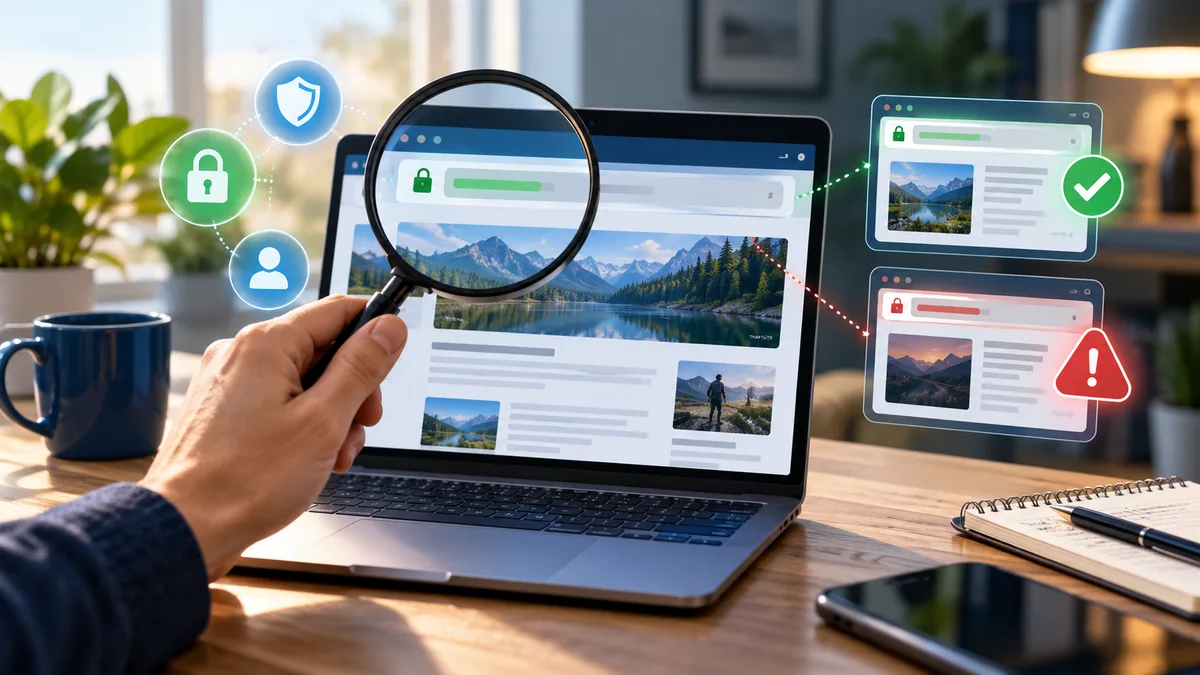
A page loading over HTTPS means the connection can be encrypted; it does not, by itself, prove that the organization is trustworthy or every link is safe. Look for an accessible About page, editorial contact details, dated information, accountable authorship, a privacy policy, and visible corrections. A narrow specialist claim should cite stronger evidence than a general lifestyle observation.
When a page recommends downloading software, compare the exact product name with the developer’s official source. Our separate software download safety guide and software upgrade explainer provide examples of why installers, versions, and update methods deserve verification before use.
If you need to make an important health, finance, or legal decision, double-check the guidance with professional or official sources. Large general-interest archives can be convenient, but the quantity of articles is not a measure of medical, financial, or cybersecurity expertise.
Practical online protection steps
For your everyday accounts, start with a password manager from a known provider and unique, long passwords. Turn on multifactor authentication, preferably using a passkey or authenticator where the account supports it. Keep your operating system and browser current, enable automatic updates, and store recovery codes somewhere secure.
Be suspicious of urgent messages that demand a payment, password reset, or verification code. Open your usual banking or service app directly instead of tapping unexpected links. On shared or public networks, check the hotspot name and prefer encrypted websites; a VPN is not a substitute for phishing awareness or device updates.
A home’s technical security also depends on its network and devices. Tech CEE’s wireless network guide introduces related connectivity considerations, while its OLED display explainer and HDMI guide cover device technologies rather than security products. These are separate resources that can help readers build background knowledge.
Health, finance, and other topics need different evidence.
Thealite Keep Safe’s article archive ranges beyond cybersecurity. For medicine storage, food handling, and similar matters, check whether recommendations refer to reliable public health agencies, manufacturer instructions, and the reader’s country. For insurance, personal finance, or investment claims, look for current regulatory information and avoid precise guarantees offered without documentation.
To see why financial subjects require separate research, Tech CEE has individual articles on cryptocurrency developments, the availability of Anthropic shares, and BlockDAG-related news. Those articles are independent context only; none establishes a corporate connection to Thealite Keep Safe.
A general blog can introduce unfamiliar ideas, but it should not replace specialist sources for consequential decisions. Ask when the page was reviewed, which documents support its claims, and whether the writer has relevant experience.
How to choose a useful The article
Begin with the question you’re trying to answer. If it is “How does encryption work?”, look for a clear explanation of the problem, common approaches, and practical limits. If it is “How should I store medicines?””,” look for precise temperature and packaging instructions tied to recognized guidance. Do not judge quality solely by a confident headline or an estimated reading time.
Consider whether the article distinguishes facts, recommendations and affiliate promotions. Where it makes a technical claim, look for a reproducible test or authoritative document. Where it makes a judgement, expect a transparent explanation of the criteria. This approach is especially useful on sites that publish in many unrelated categories.
Frequently asked questions
What is the official Thealite Keep Safe website?
The informational website reviewed here is thealitekeepsafe.com. Check the exact spelling before following results, and do not mistake it for the separately appearing thealite.com.au domain.
Is Thealite Keep Safe a real security app?
The public site we reviewed functions as an article publisher; no verified official security application was established from the homepage. Do not install unofficial software solely because its name resembles the blog’s brand.
What does Keep Safe with the Power of Hi Thealite mean?
It is an article title and safety-themed phrase associated with the site. Without independently verifiable technical documentation, it should not be presented as proof of a particular AI security system, password manager or monitoring product.
Are thealite.com.au and thealitekeepsafe.com the same?
No ownership or operational link was verified. The Australian domain appeared parked during this review, while the .com address displayed a blog. A similar name is not enough to establish an affiliation.
Final verdict
Thealite Keep Safe is best understood as a safety-oriented information website with a broader archive of everyday articles. Its homepage confirms that it publishes guides and posts, including an article titled “Keep Safe with the Power of Hi Thealite.” It does not confirm that the name represents a dedicated protection application or commercial monitoring system.
Before trusting an unfamiliar website, separate what its live pages actually show from the claims repeated by third-party reviews. Confirm the correct domain, verify high-stakes advice and use well-established account security habits. Research checked on 20 October 2026; domain status and website features can change.
About the Author